de

Agenda item 4: introduction of an AI-assisted interview system for knowledge capture. The works council sent its questions two weeks in advance. There are three, and they all come down to the same thought.
This is a tool that shows who knows what, and who does not.
Many employee representatives walk into the first meeting with exactly that conviction. It is understandable. This piece takes it seriously, shows where it does not hold, and where the works council is right regardless.
A suspicion with good reasons
At first glance, a knowledge interview is precisely what a works council has to worry about. Software records a person’s voice, an AI asks follow-up questions wherever an answer stays thin, and at the end there is a text that shows fairly accurately how someone works, which shortcuts they take and where they are unsure. Anyone who has watched time tracking, ticket systems or collaboration tools being used for analyses nobody mentioned at rollout will not greet such a system with a leap of faith. That is not paranoia. It is professional experience.
On one point the council is simply right. In Germany, section 87(1) no. 6 of the Works Constitution Act gives the works council a co-determination right over technical systems designed to monitor employee behaviour or performance. The Federal Labour Court has read this broadly for decades: it is enough that a system is objectively capable of monitoring. What the employer intends to do with it does not matter. Austria and the Netherlands have comparable consent rights for monitoring systems, so the same logic reaches well beyond German sites.
An interview system that processes names, recordings and subject content will usually fall under that rule. That costs time. Anyone planning a six-week pilot without budgeting for the negotiation is planning against reality.
What a knowledge interview actually asks
The suspicion assumes that an interview ends with a verdict on the person. It ends with subject knowledge. The questions are about processes, criteria, exceptions and warning signs: how you can tell a machine is about to fail, why a particular customer is handled differently, which approval really counts in practice. Questions about performance, health or private life are not part of it.
The path of that content is short. The recording is transcribed and then deleted. The person who gave the interview sees the content before anything is published and can request corrections. Only then does it become available as a document, presentation or training.
What the system explicitly does not do:
- assess or rank people
- create scores or profiles
- compare employees with each other
- make decisions about people
- use your data to train AI models
The last point rests on contracts rather than a promise. The AI providers involved do not use inputs and outputs to train their models, and Omnora trains no models of its own. Under the EU AI Act, the Omnora products fall into the limited-risk category. The transparency obligations of Article 50 therefore apply, which is why every interview opens with a notice that AI is involved. The high-risk obligations do not apply.
Intentions cannot be audited. Access rights can.
An experienced works council will not be reassured by a list like that. Rightly so.
Statements of intent last as long as the current management, the budget or the next reorganisation. What holds is what a system technically permits. That is why the role model belongs on the table before anything else is discussed:
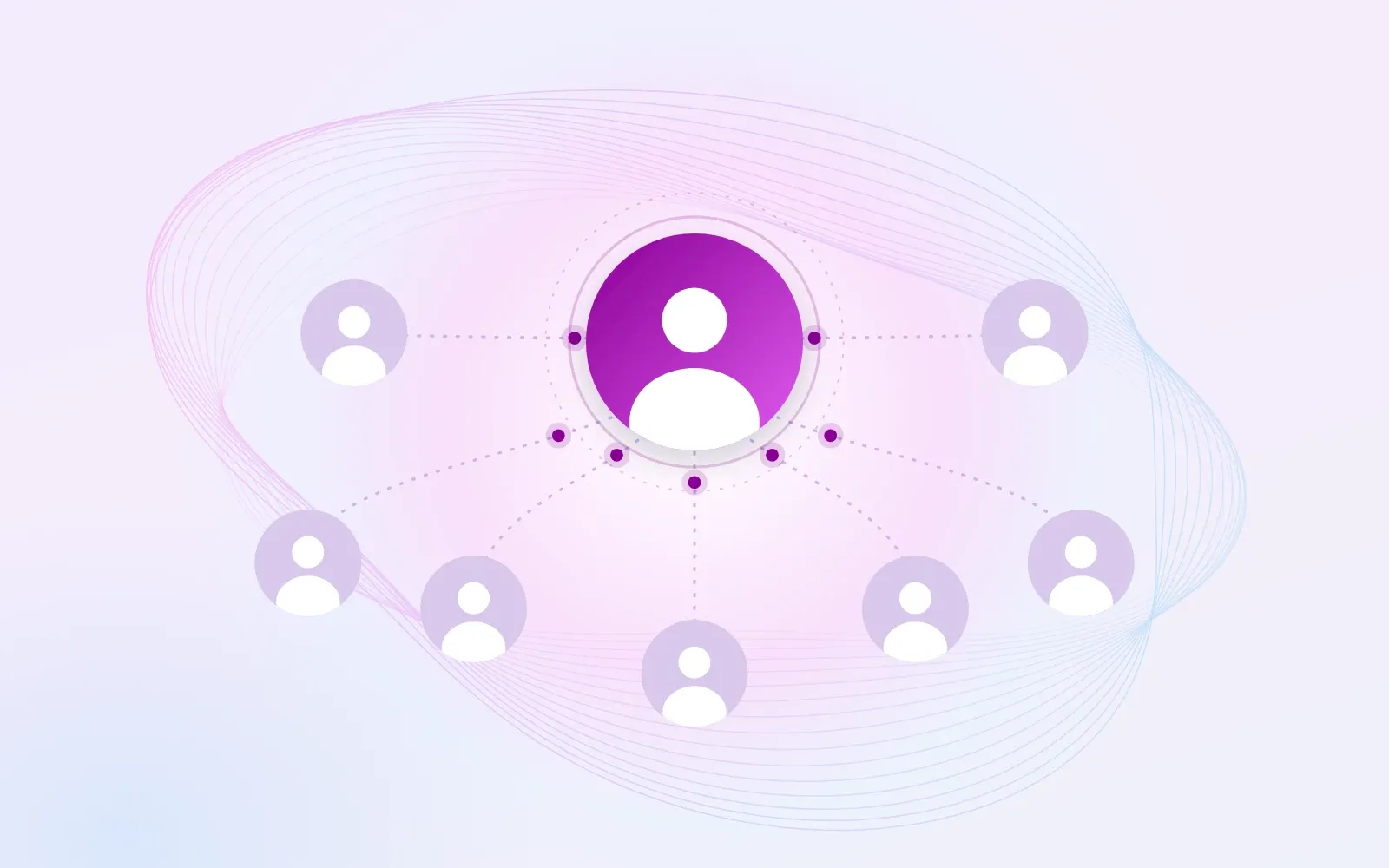
- Knowledge holders give the interview and review the content it produces.
- Interview managers, for example in knowledge management, see the content in order to plan and consolidate it.
- User managers in IT or HR administer licences and have no access to content.
- Knowledge users read only what has been released.
Technical logs stay with the provider and are not passed to the employer. The question of whether HR could later analyse who was in the system, when and for how long, therefore has a short answer. The data is not there.
What the works agreement should settle
Since co-determination applies anyway, it pays to treat the works agreement as a tool. It is where the suspicion is resolved in a binding way, so that it stays resolved after a change of leadership.
Four provisions carry most of the weight. Purpose limitation restricts use to capturing and sharing subject knowledge. A prohibition on use rules out drawing on content, recordings or logs for appraisals or personnel decisions, directly or indirectly. Deletion periods apply bindingly to recordings, transcripts and logs instead of being left to administrators. And the council keeps its information and oversight rights, including a demonstration of the system.
Two statutory points in Germany pull the timeline forward. Since 2021, section 90 of the Works Constitution Act explicitly names the use of artificial intelligence as something the works council must be informed about at the planning stage. And where the council has to assess the introduction of AI, bringing in an external expert is deemed necessary. Both argue for involving employee representatives before the tool is selected, not after. Why that is also the cheaper sequence is covered in the piece on the retirement wave and knowledge capture.
For these discussions Omnora provides an information pack: a data processing agreement with technical and organisational measures, the classification under the AI Act and a template works agreement. The template is drafting help, can be adapted freely and is not legal advice. On request, the system is demonstrated directly in the meeting with the works council.
Who has the last word on the content
Part of the suspicion has little to do with statutes. It goes: first they take the knowledge out of my head, then they no longer need me.
No clause helps against that. Only the process does. Participation is voluntary, and anyone who declines or stops an interview faces no disadvantage. Before the first session, knowledge holders learn what it is for, what is recorded, where AI is involved and how long data is kept. If someone withdraws consent, their recording and transcript are deleted; content already released remains without any personal reference. And nothing leaves the system without being reviewed by the person it came from.
An observation from the margins, based on experience rather than a promise: the strongest advocates in these projects rarely sit in the executive suite. More often they are the specialists themselves, tired of answering the same question for the tenth time and being called about every problem. For them, documented knowledge is relief, not a threat. How to spot these single points of knowledge before they become a risk has its own piece, and how such an interview works in practice is described in the post on AI expert interviews.
If you take only one sentence from this text into your proposal for the works council, take this one:
Content, recordings and logs from knowledge interviews are used neither to appraise employees nor for personnel decisions.
It will not make the negotiation shorter. It just starts it in a different place.