Skip to content
AI & company knowledge

Series: The Organisation After Coordination

The series at a glance: all three parts, the key figures and the complete PDF with its list of sources in one place.

Sebastian Walker, CEO, Omnora · 3 min read
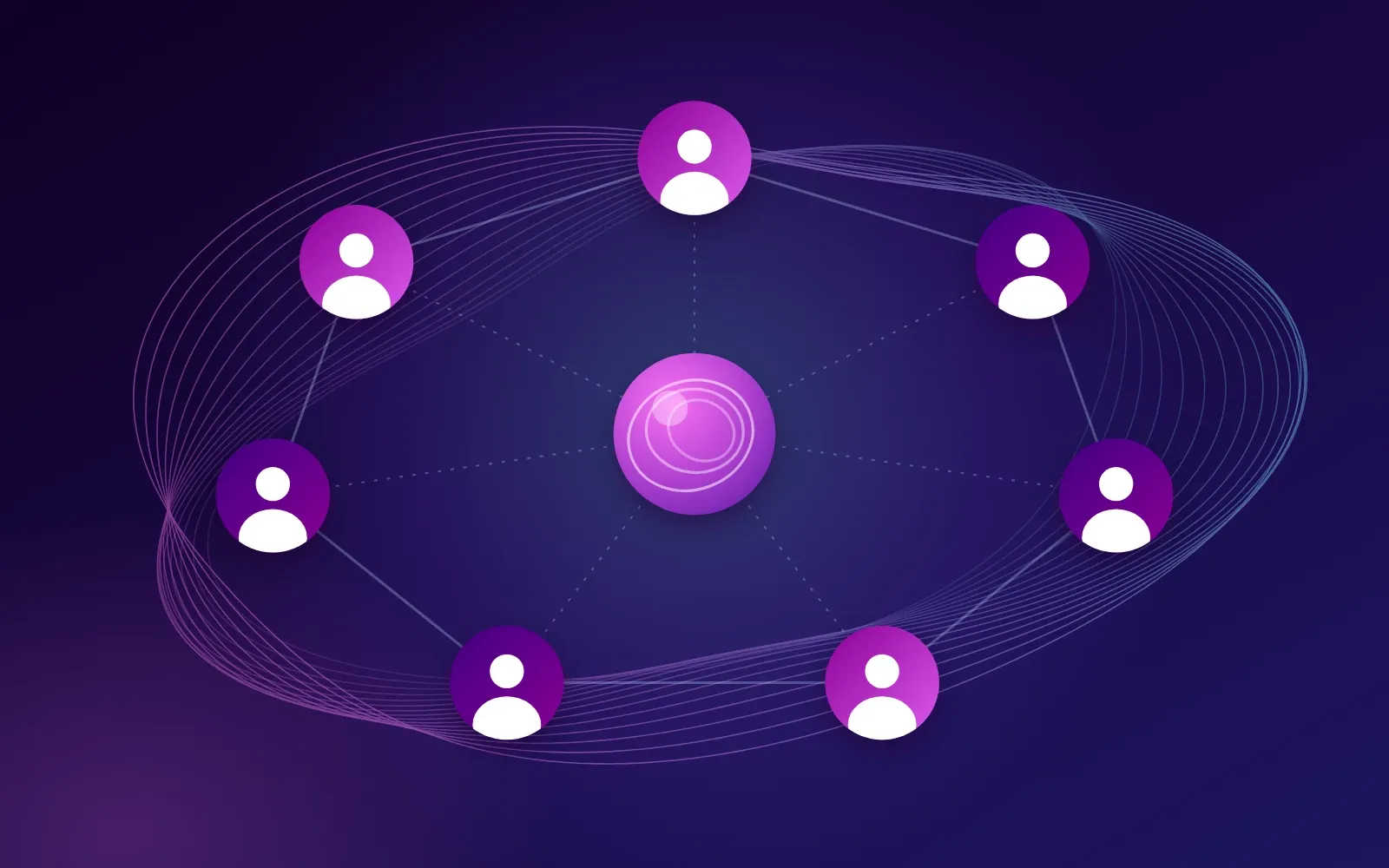
Illustration: a network of peers around a shared core
Contents
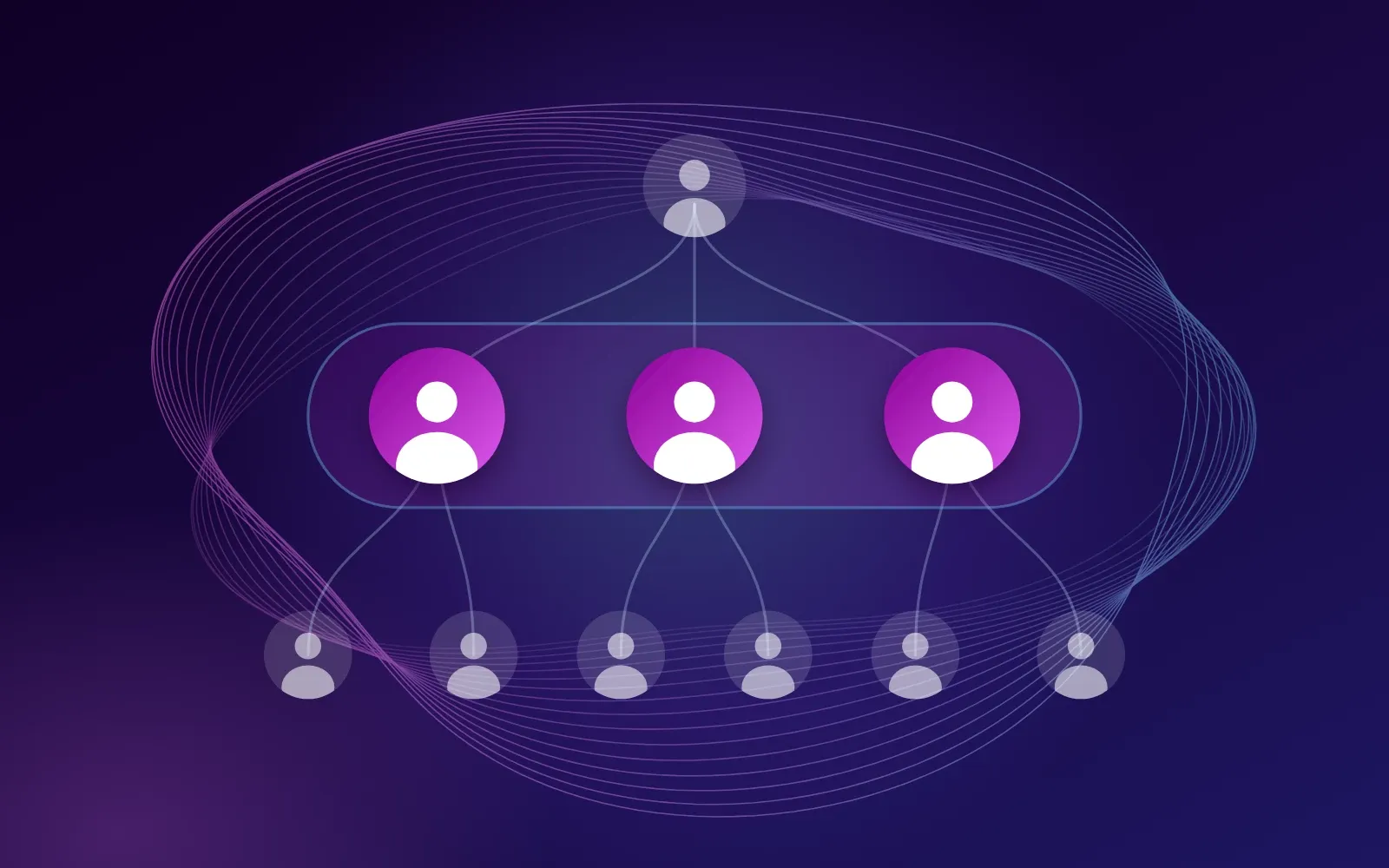
  1. Part 1: Coordination is getting cheap. Judgement is getting expensive.
  2. Part 2: Your middle management decides your AI strategy. Not your CTO.
  3. Part 3: Leadership without professional depth used to be inefficient. Now it is dangerous.
  4. The whole series as a PDF
  5. The question behind the series
  6. Frequently asked questions

What is the series “The Organisation After Coordination” about?

For decades, companies paid for two different things under one word: coordination and judgement. AI makes coordination almost free and judgement scarcer. Sebastian Walker's three-part series describes the consequences: for people and their development paths, for middle management as the amplifier of every AI rollout, and for the risk that arises when approvals sit with people who lack professional depth. Every figure is backed by its publisher and survey.

Key takeaways

  1. Two services, one word. AI separates what companies used to pay for together.
  2. Depth is getting scarce. The supply path for experience is being cut at the bottom and in the middle.
  3. Leadership is the lever. Whether AI works is decided in middle management.

For decades, companies paid for two different things under the same word: coordination and judgement. Passing information on is now a marginal-cost commodity. The ability to tell a convincing answer from a reliable one is not.

This three-part series describes what follows from that: for people, for structures, and for the risk that arises when both are missing at the same time.

The key figures of the series

  • 19% employment gap among 22- to 25-year-olds in AI-exposed occupations (Stanford Digital Economy Lab)
  • 42% fewer advertised entry-level positions in Germany compared with the five-year average (Stepstone)
  • 95% of the GenAI pilots studied with no measurable effect on results (MIT Project NANDA)
  • 8.7 times stronger AI effect in a team when the manager actively supports its use (Gallup)

Part 1: Coordination is getting cheap. Judgement is getting expensive.

Why AI replaces generalists without professional depth first, and why the supply path for experience is being cut in two places at once.

  • For second-level managers, HR and L&D
  • Reading time about 11 minutes

Read part 1

Part 2: Your middle management decides your AI strategy. Not your CTO.

Why 95 percent of AI pilots deliver no measurable effect, and what boards need to change in the next two quarters.

  • For the board, managing directors and the C-suite
  • Reading time about 9 minutes

Read part 2

Part 3: Leadership without professional depth used to be inefficient. Now it is dangerous.

Why AI does not raise the error rate but the throughput, and turns a social decision into a risk decision.

  • For the board, risk, compliance and audit
  • Reading time about 8 minutes

Read part 3

The whole series as a PDF

All three parts, 20 pages, with a complete list of sources: every figure with its publisher, survey period and sample. Where a figure is soft, provisional or disputed, the text says so, even when it supports our argument. The PDF is available in German.

Download the series PDF (German)

The question behind the series

Where in your company does an approval sit today with someone who cannot judge the content on its merits?

That list exists in no organisation chart and no risk register. Drawing it up takes about two weeks. After that, it changes every further discussion about AI.

Turning exactly this kind of knowledge from people’s heads into something usable is the work we do at Omnora: Intelligence Management.
How Omnora captures tacit expertise and makes it usable for your AI through AI chat and an MCP server.Building a corporate brain

Frequently asked questions

Who is the series written for?

Part 1 is aimed at second-level managers, HR and L&D. Part 2 at the board, managing directors and the C-suite. Part 3 at the board, risk, compliance and audit. Each part stands on its own and can be read separately.

What is the difference between coordination and judgement?

Coordination means condensing information, passing it on and aligning on it. Judgement means telling a correct proposal from one that is merely plausible. The first can increasingly be automated; the second comes from experience with consequences.

Why do so many AI pilots fail?

According to MIT Project NANDA, around 95 percent of the GenAI pilots studied show no measurable effect on results. The series argues that the cause is rarely the model, but a lack of anchoring in ways of working, leadership and decision logic.

What role does middle management play in AI?

It is the amplifier. Gallup measures a much stronger AI effect in teams whose manager actively supports its use. If the middle layer is only cut rather than rebuilt, both coordination and new capability go missing at the same time.

Is the series available as a PDF?

Yes. All three parts are available as a PDF of around 20 pages (in German) with a complete list of sources, every figure with its publisher, survey period and sample. Where a figure is provisional or disputed, the text says so.

Sources

  1. Stanford Digital Economy Lab: employment of young workers in AI-exposed occupations [Study]
  2. Stepstone: analysis of advertised entry-level positions in Germany [Study]
  3. MIT Project NANDA (2025): The GenAI Divide [Study]
  4. Gallup: State of the Global Workplace 2026 and Engagement Index Germany [Study]

Capture the knowledge before it leaves.

An AI interview takes about 30 minutes and costs your experts not a single page of writing. Try it yourself or let us show you on your own case.