de

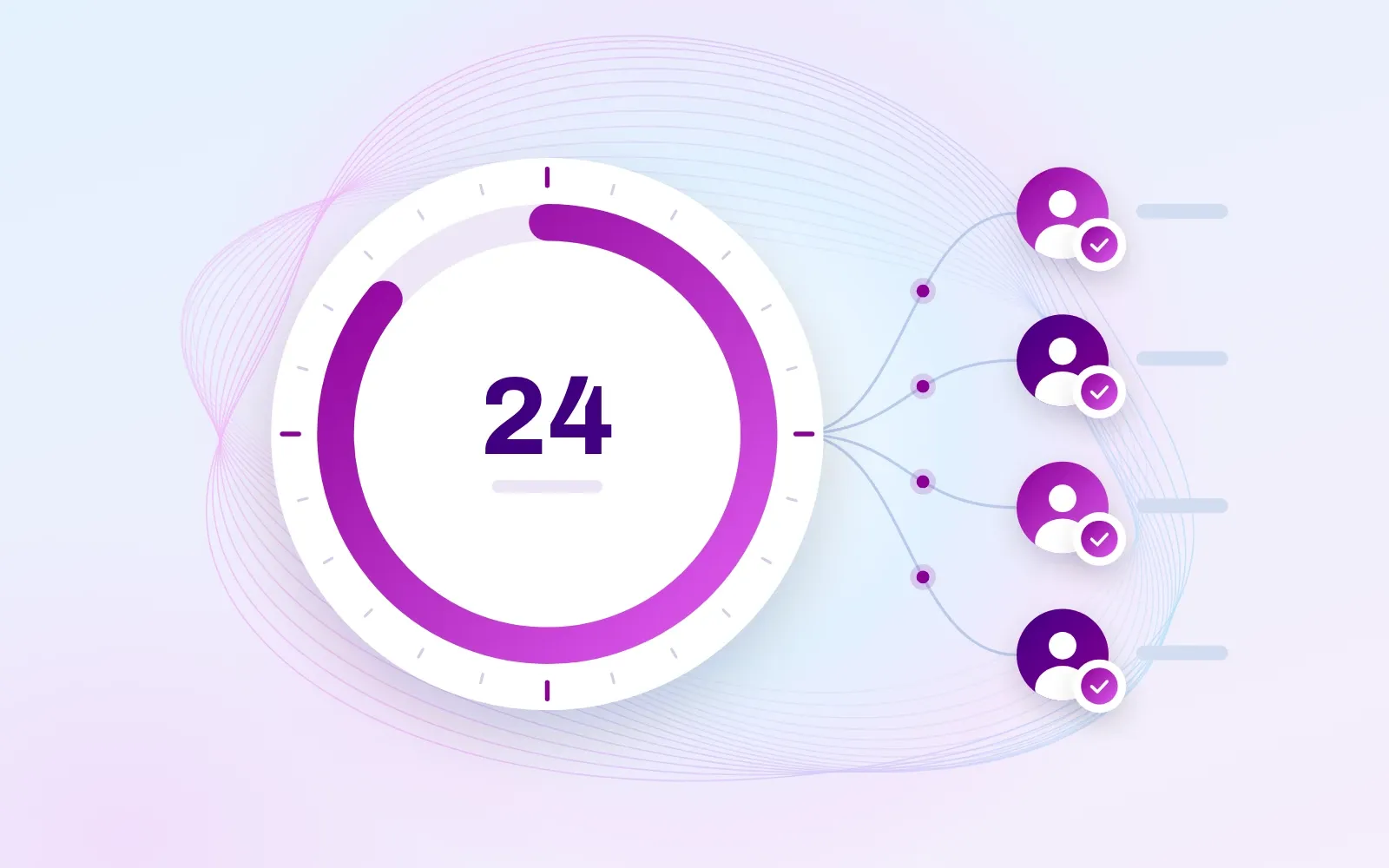
A Tuesday, just after nine. Compliance has an amended policy that applies from next week, and every affected employee has to be trained, with proof. It used to mean: ask an agency, wait for a quote, agree a storyboard, six to eight weeks. Today the training can be in the LMS on Wednesday morning. Here is how such a day runs, hour by hour.
09:00: the source document
Everything starts with the document that contains the rule. That sounds trivial and is the most important step of the day. If the policy is approved, unambiguous and complete, the rest almost runs itself. If it is a draft with comments from three departments, it will not be a 24-hour project, whatever the tool.
So the person in charge first decides which version counts and who will give subject-matter approval in the evening.
10:00: from document to script
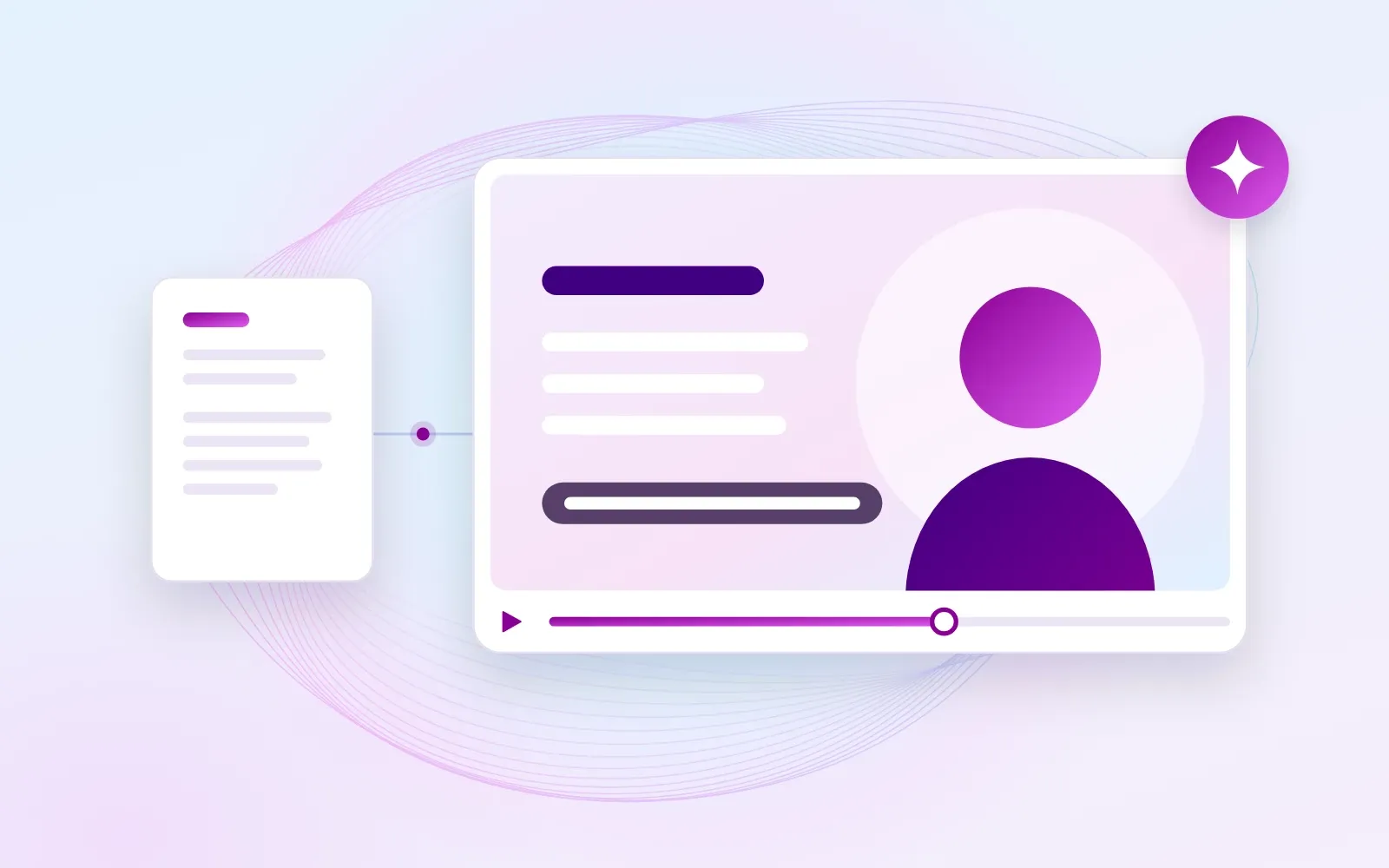
With AI support the document becomes a script. Not a copy of the policy but a learning version: what changes, why, what do I have to do differently from Monday, and how do I recognise a borderline case. Plus three to five questions that let participants show they have understood.
By midday the script is read once and corrected. This is the moment when subject knowledge counts, not production know-how.
13:00: video, languages, knowledge check
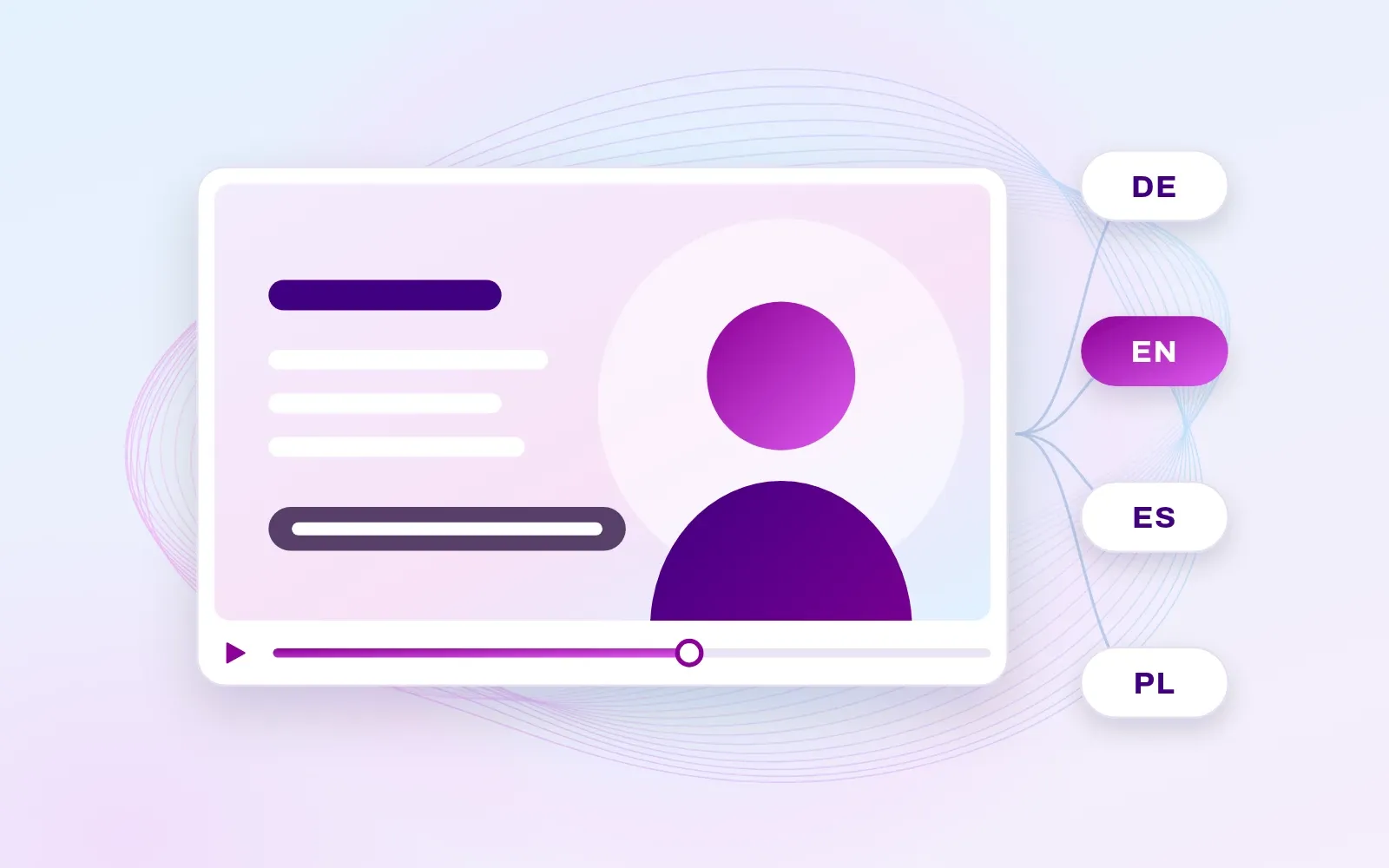
The script becomes a video with an avatar or voice-over, screen slides and the questions at the end. Anyone working internationally creates the other language versions in the same step; subtitles are available in 140 languages and voice-over in more than 50. The result is exported as a SCORM package; why that is usually the right choice for mandatory training is covered in SCORM explained.
Length decides more than many think. Classic mandatory courses reach completion rates of around 25%, microlearning and interactive formats up to 90% (Continu, 2025). And 49% of employees do not really follow mandatory training or skip it (Training Magazine). A training of five to eight minutes is not a compromise here, it is the better option.
16:00: approval
Now comes the part no tool accelerates. The business unit, possibly legal and the works council review the result. In our experience this is where 24 hours either hold or turn into a week. Not because the review is bad, but because the people involved were not scheduled for that day.
Teams that work this way regularly therefore agree a fixed approval path for mandatory training in advance: who reviews, by when, and what counts as approval. A note of honesty belongs here: for legally sensitive topics, a night of reflection for the legal department is often time well spent, even if it breaks the clock.
The next morning: rollout
The package is uploaded to the LMS, assigned to the target group, the deadline set. 91% of companies deliver mandatory training online today (Training Magazine), so technology is rarely the problem. What counts now is a short announcement that explains why the training is coming, not only that it is mandatory.
What this speed really changes
Under 24 hours time-to-market for one mandatory training is realistic with AI-assisted production, for one course, not for a whole programme. The real gain lies elsewhere: when training can be created this quickly, it is also worth changing it. A correction after three weeks is no longer a new project, it is an hour of work. What that means on the cost side is shown in How much does a training video cost?
If you want to try it, do not start with the most urgent topic. Start with the one whose approval path is shortest.